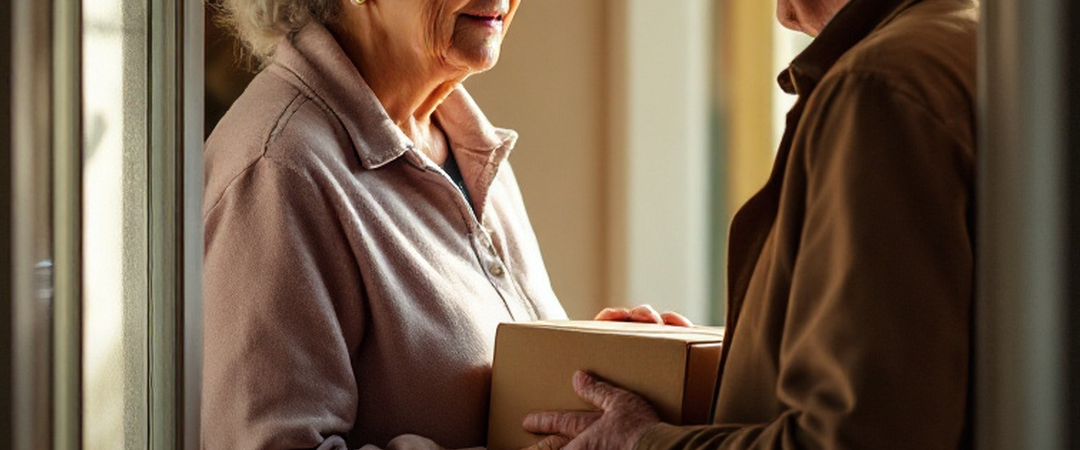
Stairs are one of the most common spots where falls happen at home, yet a handful of targeted upgrades can change that picture completely. Whether you live in a two-story Colonial or a split-level ranch, the fixes are more straightforward and affordable than most people expect. This guide walks you through every practical edit, from handrail height to lighting timers, so your staircase works with you instead of against you.
Want the Free Printable Checklist?
Click the button below to download your free PDE guide.
Why Stairs Deserve Your Full Attention Right Now
According to the Centers for Disease Control and Prevention, stair-related falls send more than one million Americans to emergency rooms every year, and adults over 60 account for the majority of serious injuries. The encouraging news is that roughly 80 percent of those incidents involve at least one correctable hazard, such as a loose handrail, poor lighting, or a worn tread edge. That means most stairway danger is manufactured, not inevitable.
In 2026, the cost of a hip fracture from a stair fall averages $36,000 in combined medical and rehabilitation expenses, according to health-economics data. Compare that to the $200 to $800 most homeowners spend on a complete stairway safety overhaul, and the math tells a clear story. Starting with a slow, methodical walk-through of every flight in your home takes about 20 minutes and costs nothing at all.
Careful evaluation also gives you a sense of which fixes to tackle yourself and which ones call for a licensed contractor. Simple jobs like replacing a light bulb with a brighter LED or tacking down a loose carpet runner are genuine weekend projects. Structural handrail repairs, on the other hand, are worth a professional set of hands.
Handrails: The Single Most Important Upgrade
A proper handrail is not decorative, it is a lifeline. Building codes in most U.S. states require handrails to sit between 34 and 38 inches above the stair nosing, graspable from top to bottom without interruption. Yet millions of older homes have rails that stop halfway down, sit too low, or wobble when you grab them. Run your hand firmly along every rail in your home today and note any flex, gap, or rough spot.
Installing a second handrail on the open side of a staircase typically costs $150 to $400 in materials and $100 to $200 in labor, depending on your region. That investment alone reduces fall risk by an estimated 24 percent on stairways, according to occupational therapy research published through 2025. Choose a round profile between 1.25 and 2 inches in diameter so fingers can wrap around it completely, rather than a flat decorative rail that provides only a fingertip grip.
For extra grip security, add non-slip handrail tape for about $12 per roll at any hardware store. It comes in a wood-grain finish that blends naturally with oak or maple rails and provides the tactile feedback your hands need most on the top and bottom three steps, where most stumbles begin.
Lighting That Actually Illuminates Every Step
Dim stairways are quiet danger zones, especially during nighttime trips to the kitchen or bathroom. The standard recommendation from occupational therapists is a minimum of 50 foot-candles of illumination on each step surface. Most older ceiling fixtures deliver only 20 to 30 foot-candles, which looks fine to younger eyes but leaves the tread edges nearly invisible for anyone managing age-related vision changes.
Plug-in LED stair-riser night lights cost between $8 and $25 per unit and require no wiring. Place one every three to four steps for consistent coverage. Motion-activated models are particularly useful because they turn on the moment you set foot near the stairs, eliminating the fumble for a wall switch at 2 a.m. Replace any overhead bulbs with 800-lumen or higher warm-white LEDs, which reduce glare while brightening the space significantly.
For a more permanent solution, hardwired step lights recessed into the stair risers run $30 to $70 per light installed and last roughly 25,000 hours before replacement. A licensed electrician can wire a five-step run in a single afternoon for a total installed cost of around $400 to $600. That one afternoon of work can light your staircase reliably through 2040 without another thought.
Tread Surfaces and Clutter: Two Fixes You Can Do This Weekend
Slippery tread surfaces and stairway clutter are the two most correctable hazards in any home, and neither one requires a contractor. Bare hardwood or tile treads become dangerously slick in socks, the footwear of choice for most people padding around at home. Self-adhesive non-slip stair treads cost $25 to $50 for a set of 15 and take about 45 minutes to apply. Look for a low-pile, rubber-backed option at least 8 inches deep so the full ball of the foot makes contact.
If you prefer carpet, make sure existing runners are secured tightly at every edge with carpet tacks or double-sided carpet tape. A runner that bubbles up even a half-inch at the edge is enough to catch a toe. Re-securing a loose runner costs about $5 in materials and 20 minutes of effort. Replace any carpet that is fraying at the nose of the step, since that worn edge is one of the leading causes of toe-catches.
Clutter is the other culprit. The staircase is not a staging area for items heading upstairs, regardless of how logical it feels in the moment. A single shoe left on the third step is all it takes. Place a small decorative basket at the top and bottom of each staircase to collect items that belong on the other floor, and make clearing those baskets a part of your daily 5-minute tidy.
Structural Repairs and When to Call a Pro
Some stairway issues go beyond a weekend fix and need a licensed contractor or carpenter. A staircase that creaks loudly, feels springy underfoot, or has visible gaps between treads and risers may have compromised structural integrity. Do not ignore those signs. A structural inspection by a licensed contractor typically costs $150 to $300 and can identify problems before they become emergencies.
Loose newel posts are another contractor job. A newel post that rocks even slightly will fail under the full body weight of someone catching themselves during a stumble. A carpenter can tighten or replace a newel post in two to three hours for $200 to $500 depending on materials. While they are there, ask them to check every baluster for tightness. Building code requires balusters to be spaced no more than 4 inches apart, and any gaps wider than that are both a safety hazard and a code violation that can affect home insurance.
Finally, if your home has exterior stairs, inspect them every spring beginning in 2026 and every year after. Freeze-thaw cycles in northern climates crack concrete and heave bricks, creating uneven surfaces that are difficult to see in morning shadow. A $40 bag of concrete patching compound can fix a cracked riser edge in an afternoon and prevent a far more costly fall.
Smart Technology and Grab Bar Add-Ons That Complement Stairway Safety
Technology available in 2026 makes stairway safety more proactive than ever. Smart motion-sensor lighting systems, such as those connecting to a home hub for around $80 to $150, can be programmed to illuminate the entire staircase automatically when anyone steps within six feet of the first tread, day or night. Some systems send a quiet alert to a caregiver’s phone if no motion is detected after a usual activity window, adding a gentle layer of monitoring without any sense of surveillance.
Pressure-sensitive floor mats placed at the bottom of a staircase cost roughly $35 to $60 and can be wired to a chime in the kitchen or bedroom, alerting a spouse or caregiver that someone is on the stairs. For households where one partner is a heavier sleeper, this simple tool adds meaningful reassurance. Voice-activated smart speakers positioned near stairwells also let you turn on lights hands-free before you begin your descent, removing the darkness problem without any physical switch.
For anyone managing balance challenges more actively, a wall-mounted grab bar at the entrance to the stairway costs $30 to $70 in materials. Installed with a stud-finder and lag bolts into the wall framing, it provides a solid anchor point for that first step onto the staircase, which is statistically one of the most hazardous moments of a stair descent. A handyman can install one in about 30 minutes for $50 to $100 in labor.
Frequently Asked Questions
How much does a complete stairway safety upgrade typically cost in 2026?
Most homeowners spend between $200 and $800 for a thorough stairway safety overhaul that includes new handrails, LED lighting, non-slip treads, and any minor carpentry repairs. If structural issues such as a compromised stringer or loose newel post are involved, costs can rise to $1,200 or more. Getting a contractor estimate in writing before you start keeps the budget clear and the project on track.
What height should handrails be for seniors?
Handrails should be positioned between 34 and 38 inches above the stair nosing, measured vertically. This range accommodates most adult heights comfortably and aligns with current U.S. building codes. The rail profile matters too: a round graspable rail between 1.25 and 2 inches in diameter allows full hand contact and provides significantly more control than a flat decorative profile during both ascent and descent.
Are non-slip stair treads effective, and how long do they last?
Quality self-adhesive non-slip stair treads are highly effective, reducing slip incidents on bare hardwood and tile stairs by a wide margin. Most rubber-backed adhesive treads last three to five years with normal foot traffic before the adhesive begins to release at the edges. Inspect them every six months and replace any tread showing peeling edges immediately, since a partially detached tread creates a trip hazard of its own.
Should grab bars be installed near stairs even if there is already a handrail?
Yes, especially at the top and bottom entrances to a staircase. Handrails run the length of the stairs but offer no support during that first and last step, which is where many stumbles begin. A wall-mounted grab bar positioned 33 to 36 inches high beside the first and final step costs $30 to $70 in materials and provides a stable anchor point that a traditional handrail simply does not cover.
How often should exterior stairs be inspected?
Inspect exterior stairs at least once a year, ideally each spring after winter freeze-thaw cycles have had a chance to cause damage. Look for cracked or heaved concrete, loose bricks, missing mortar, and wobbly railings. Northern climates may warrant a fall inspection as well. Small cracks repaired promptly with concrete patching compound cost very little and prevent the larger hazard of an uneven or crumbling step surface.
Every staircase in your home can be made significantly safer with a focused afternoon of inspection and a modest budget, and the peace of mind that follows is immediate and lasting. Start with the handrails and lighting this week, work through the treads and clutter over the weekend, and schedule a contractor check for anything that feels structural. When you are ready to take the next step, share this guide with a caregiver or family member who can help you work through the checklist together.