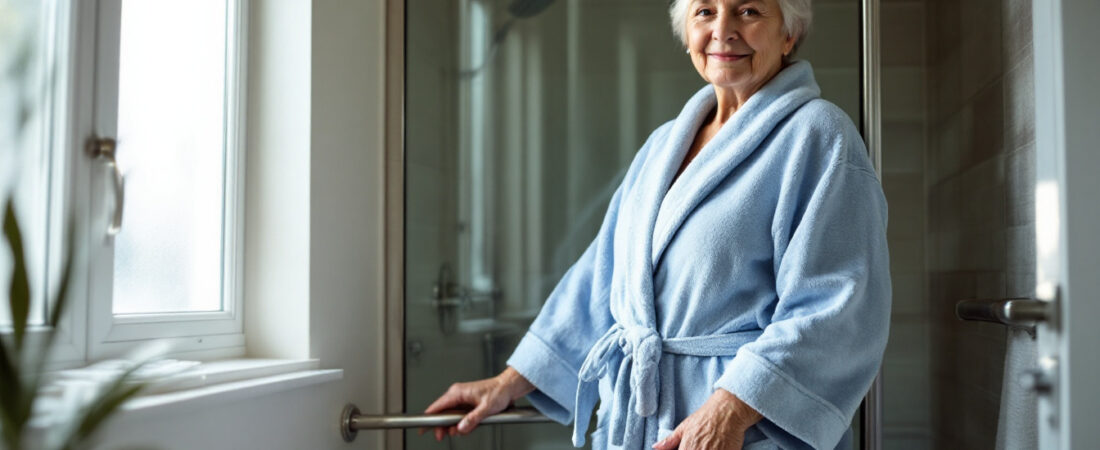
Every year, roughly 36 million older Americans experience a fall at home, and the good news is that most of those accidents are entirely preventable with a few smart, affordable changes. Whether you are settling into retirement or helping a parent stay comfortably independent, a safer home does not have to mean an institutional-feeling one. These tips are practical, budget-friendly, and designed to keep life feeling full and free.
Start With the Bathroom: The Room That Deserves the Most Attention
The bathroom is statistically the most dangerous room in any home for adults over 60, accounting for nearly 235,000 emergency room visits each year. The combination of hard surfaces, water, and small spaces makes it a priority for any safety upgrade. The good news is that effective bathroom safety does not require a full renovation. A grab bar installed next to the toilet and inside the shower can be purchased and professionally installed for as little as $80 to $150 total. Look for bars rated to hold at least 250 pounds and choose a brushed nickel or oil-rubbed bronze finish so they blend right in with your existing decor. A non-slip bath mat with a suction-cup base costs under $30 and should be replaced every 18 months when the grip begins to wear. Consider raising your toilet seat with a padded riser, which adds three to four inches of height and makes sitting and standing significantly easier on the knees and hips.
Lighting Upgrades That Make a Real Difference After Dark
Poor lighting is a silent contributor to nighttime falls, and upgrading your home’s illumination is one of the highest-return safety investments you can make. Motion-activated LED night lights placed in hallways, the bedroom doorway, and the path to the bathroom can be found for as little as $8 to $15 per unit at any home improvement store. Install at least four to six of them so the route from bed to bathroom is never more than a few feet from a lit guide. For stairwells, consider plug-in LED strip lighting along the base of each step, which provides clear visual contrast without harsh overhead glare that can disorient eyes adjusting from sleep. Smart bulbs, which you can control with a simple voice command or bedside remote, have dropped in price significantly and in 2026 you can equip an entire bedroom and hallway for under $120. Brighter does not always mean safer, so aim for warm white bulbs in the 2700K to 3000K range, which are easier on aging eyes than cool blue-toned light.
Declutter and Rearrange: Simple Changes That Remove Trip Hazards
Loose rugs, electrical cords stretched across walkways, and furniture placed too close together are among the most common causes of trips and falls in the home, and fixing them costs almost nothing. Start with a slow walk through every room and identify anything at floor level that a foot could catch on. Area rugs that are not anchored with non-slip rug tape or a rubber pad underneath should either be secured or removed entirely. Rug tape costs about $12 for a roll and takes less than twenty minutes to apply. Cords from lamps, televisions, and charging devices should be routed along baseboards using adhesive cord clips, which come in packs of 20 for under $10. Furniture arrangement matters more than most people realize. Leave at least 36 inches of clear walking space between any two pieces of furniture, which matches the width of a standard walker and gives you a safe path even on days when balance feels less reliable. In the kitchen, move the items you use daily, such as your coffee maker, preferred mugs, and medications, to countertop level so you are never reaching above your head or bending toward low cabinets.
Technology Tools That Quietly Watch Over You
Modern safety technology has become remarkably affordable and far less intrusive than the clunky medical-alert devices of earlier decades. A medical alert device worn as a slim wristband or small pendant now starts at around $19.95 per month with no long-term contract, and the best services in 2026 offer GPS tracking, fall detection, and two-way communication in a package that looks more like a fitness tracker than a medical device. If wearing a device does not appeal to you, passive monitoring systems use small sensors placed in doorways and on appliances to track daily patterns, alerting a designated family member if something seems off, such as the refrigerator not being opened by mid-morning. These systems typically run between $30 and $50 per month. Smart speakers with voice-activated calling let you contact a family member or emergency services without reaching for a phone, and at around $50 to $100 for a good model, they are a worthwhile addition to any bedroom or kitchen counter. The goal with any technology is to add confidence, not surveillance, so choose what fits your lifestyle and comfort level.
Outside the Front Door: Yard and Entryway Safety
Home safety does not stop at the front door. The entryway, porch steps, driveway, and garden path deserve just as much attention as any indoor room. Uneven pavement, slippery porch boards, and steps without handrails are responsible for a significant share of senior injuries, particularly in wet or icy weather. If your front steps do not have a handrail on both sides, adding one is a project that typically costs between $150 and $400 depending on materials and whether you hire a handyman. Outdoor motion-sensor lighting mounted above the garage and front door not only improves safety but can lower your homeowner’s insurance premium in some states. Check with your provider, because in 2026 many insurers offer a 3 to 5 percent discount for documented safety upgrades. Apply outdoor non-slip adhesive strips to any wooden or painted concrete steps, replacing them every spring before they wear down. Finally, if you maintain a garden, invest in a kneeling pad with side handles that cost around $25 to $40, which makes getting up from ground level much safer and easier on the joints.
Talk to Your Doctor About Medications and Balance
Many falls and home accidents are connected not to the home itself but to physical factors that are completely manageable with the right medical guidance. Certain common medications, including blood pressure drugs, sleep aids, antihistamines, and some diuretics, can cause dizziness, lightheadedness, or slowed reflexes. Ask your doctor or pharmacist for a medication review at least once a year, and specifically mention any time you have felt unsteady on your feet. This conversation costs nothing and could be the single most important safety step you take. Balance and strength are also something you can actively maintain. Tai chi classes, which are offered free or low-cost at many senior centers and YMCAs across the country, have been shown in multiple studies to reduce fall risk by up to 45 percent with consistent practice. Even a 20-minute daily walk improves leg strength, coordination, and confidence. Vision and hearing exams, ideally scheduled every year after age 65, ensure that two of your most important navigational senses are working as well as they can. Small corrections in prescription eyeglasses or hearing aids can dramatically change how safely you move through your home and community.
Frequently Asked Questions
How much does it typically cost to make a home safer for a senior?
Basic home safety upgrades for a senior can cost as little as $200 to $500 when focused on the highest-priority areas like grab bars, night lights, non-slip mats, and cord management. More comprehensive changes, including professional handrail installation and smart alert devices, might run $1,000 to $2,500 over a year. Many states and nonprofits also offer home modification grants for qualifying older adults in 2026.
Are medical alert devices really worth the monthly cost?
For most older adults living alone or spending significant time at home without a caregiver present, yes. Plans starting around $19.95 per month provide genuine peace of mind for both the user and their family. Fall detection features, which automatically call for help even if the person cannot press a button, are particularly valuable and typically available for an additional $5 to $10 per month.
What is the single most important home safety change a senior can make?
Installing grab bars in the bathroom, particularly in the shower and beside the toilet, consistently ranks as the highest-impact single upgrade. The bathroom accounts for a disproportionate share of senior injuries, and a sturdy grab bar provides immediate, reliable support during the most vulnerable moments of the day. Professional installation is affordable and takes less than an hour.
How can I help a parent accept home safety changes without offending them?
Frame safety upgrades as additions that improve comfort and convenience rather than reminders of limitation. Mention that grab bars and better lighting benefit everyone in the household, including visiting grandchildren or guests. Shopping together for stylish fixtures that match existing decor also helps. Letting a parent lead the decision-making process, rather than arriving with a checklist, makes a significant difference in acceptance.
Can exercise really reduce the risk of falls at home?
Absolutely. Research consistently shows that balance-focused exercise, particularly tai chi and light resistance training, reduces fall risk by 30 to 45 percent in older adults. Even walking 20 to 30 minutes daily strengthens the legs, improves reaction time, and builds the postural awareness that prevents trips. Many senior centers in 2026 offer free or low-cost classes specifically designed for adults over 65.
Making your home safer in 2026 does not require a major renovation or a significant budget, just a clear-eyed look at a few key areas and the willingness to make some small, smart changes. Whether you tackle the bathroom this weekend or start with a bag of non-slip rug tape today, every improvement you make is a genuine investment in your independence and confidence. Share this list with someone you love, and consider walking through your home together to spot the changes that will make the biggest difference.